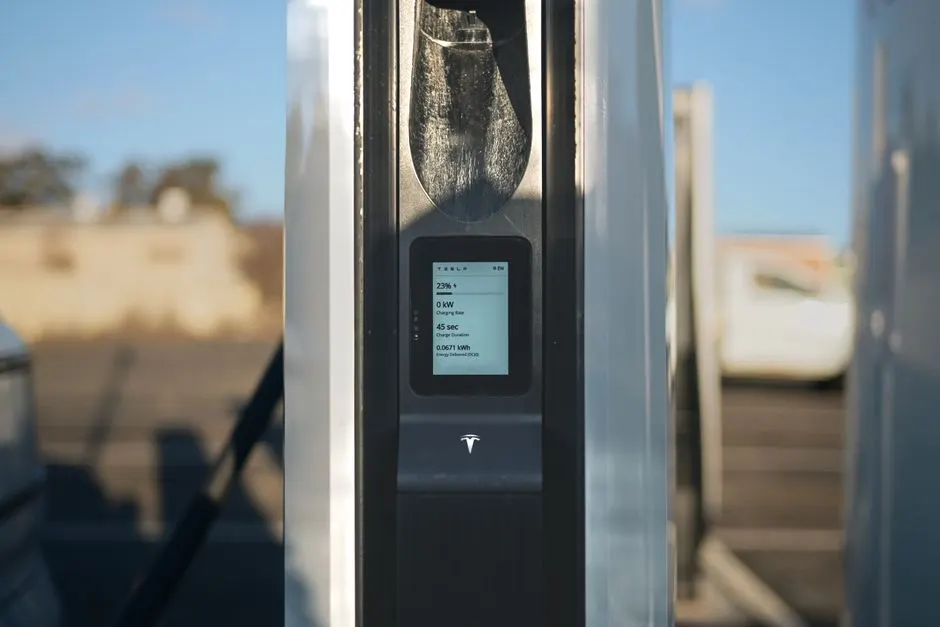
Level 2 chargers run on 240V and add roughly 20 to 30 miles of range per hour, while Level 3 DC fast chargers run on 480V three-phase power and add 150 to 350 miles in about 30 minutes. For most Plant City businesses, the right answer is Level 2 for employees and overnight fleet vehicles, and Level 3 only where drivers are paying to charge in 20 minutes or less. The rest of this post breaks down real 2026 costs, electrical requirements, and the questions we ask before we quote a commercial job in Plant City.
Level 2 vs Level 3 EV charger installation Plant City FL: the short answer
Level 2 vs Level 3 EV charger installation Plant City FL comes down to three things: how long a vehicle sits parked, how much power your building can deliver, and who is paying for the electricity. A Level 2 unit is a 240V AC charger that pushes 7.2 to 19.2 kW. A Level 3 unit - what the industry calls DCFC - converts AC to DC inside the cabinet and pushes 50 to 350 kW straight into the battery.
That gap in output is why the two chargers serve completely different jobs. Level 2 is a destination charger. Cars stay plugged in for two to eight hours while people work, shop, eat, or sleep. Level 3 is a corridor charger. Cars stay plugged in for 15 to 45 minutes while the driver waits.
If your parking lot holds vehicles for a full shift, Level 2 wins on cost per port every time. If your lot turns over every 20 minutes and you want to attract highway traffic off I-4, Level 3 is the only thing that works. We install both, and we tell Plant City owners plainly which one their site actually justifies.
What is the difference between Level 2 and Level 3 EV charger installation in Plant City FL?
The difference between Level 2 and Level 3 EV charger installation in Plant City FL is the power supply, the equipment, and the electrical work behind the wall. Level 2 EV charger installation Plant City FL projects tap an existing 240V panel or a new subpanel and typically finish in one to two days. Level 3 DC fast charger installation Plant City FL projects need three-phase service, a dedicated transformer in many cases, concrete pads, bollards, and a utility coordination timeline measured in months.
Level 2: 240V AC, 7.2 to 19.2 kW
A Level 2 charger uses the same 240V circuit type as an electric range or a shop welder. A single 40-amp circuit delivers 7.2 kW, which is the sweet spot for most workplaces. A 48-amp circuit delivers 11.5 kW, and a hardwired 80-amp unit delivers 19.2 kW for fleets that need every mile they can get overnight.
Installation is straightforward when the panel has capacity. We run conduit from the panel to the pedestal or wall mount, pull copper, torque the terminations, and commission the unit. Most single-port commercial jobs are done in a day.
Level 3: 480V DC, 50 to 350 kW
A Level 3 cabinet takes 480V three-phase input and outputs DC directly to the vehicle. A 50 kW unit adds about 150 miles in 30 minutes. A 150 kW unit adds roughly 200 miles in 20 minutes on a car that can accept that rate. A 350 kW unit is for the newest 800V platforms and is overkill for almost every Plant City site.
The electrical work is the expensive part. Three-phase service, a pad-mounted transformer, switchgear, and utility coordination can take three to nine months from signed contract to first charge. If you are planning a Level 3 site, start the utility conversation before you sign a lease.
Level 2 vs DC fast charger cost in Plant City, Florida
Level 2 vs DC fast charger cost Plant City Florida is not close. Typical 2026 pricing in this area runs $1,800 to $4,500 per Level 2 port installed, and $45,000 to $150,000 per Level 3 stall once utility work, concrete, and switchgear are included. Those are installed numbers, not equipment-only.
What drives the Level 2 number
- Circuit size: a 40-amp circuit is cheaper than an 80-amp hardwired run.
- Distance from panel: every extra 50 feet of conduit and copper adds cost.
- Panel capacity: if the panel is full, a subpanel or service upgrade adds $1,500 to $6,000.
- Mounting: wall mount is cheapest; a freestanding pedestal on a poured pad adds $600 to $1,200.
What drives the Level 3 number
The charger itself is $25,000 to $60,000 depending on output. The rest is infrastructure: three-phase service, transformer, trenching, concrete pad, bollards, signage, and the utility's line extension charge. In Plant City, a 150 kW stall on a site that already has three-phase power can land near $60,000. A greenfield site that needs a new transformer can push past $150,000.
We quote both scenarios side by side so you can see the break-even. A four-port Level 2 install for employees often costs less than a single Level 3 stall.
Which EV charger level is best for your business in Plant City FL?
Which EV charger level is best for business Plant City FL depends on dwell time, not on what the charger looks like. If a vehicle sits for two hours or more, install Level 2. If it sits for 20 minutes and the driver is paying, install Level 3.
Install Level 2 if you are a...
- Office or workplace: employees park for eight hours. A 7.2 kW port fully charges most commuter EVs during a shift.
- Apartment or condo community: residents charge overnight. Level 2 is the only practical option for a shared garage.
- Hotel or restaurant: guests stay for a meal or a night. Level 2 covers both, and it costs a fraction of DCFC.
- Fleet yard: vans and trucks return at 6 p.m. and leave at 6 a.m. Overnight Level 2 charging is the cheapest fuel you will ever buy.
Install Level 3 if you are a...
- Highway-adjacent retail or gas station: you want I-4 traffic to stop for 20 minutes and spend money.
- Car dealership: you need to deliver a charged vehicle to a customer in under an hour.
- Public fast-charging site: you are selling charging as a product, not as an amenity.
Most Plant City businesses we quote end up with a mix: Level 2 for staff and fleet, one or two Level 3 stalls out front for customers. That hybrid layout captures both audiences without overbuilding the electrical service.
Electrical service, panels, and load management
The electrical service is where most commercial EV projects get decided. A 200-amp panel can usually support one or two Level 2 chargers. Four to eight ports typically need a 400-amp service or a load management system. Level 3 always needs three-phase, and often a dedicated transformer.
Load management is the tool that saves projects from a full service upgrade. A load management system monitors the building's demand and throttles charger output when the kitchen, HVAC, or production line is pulling hard. On a site with a tight 200-amp service, load management can let you run six Level 2 ports without touching the utility transformer. We install these on most multi-port jobs because the payback is usually under two years.
If your panel is already full or your service is undersized, we handle the electrical panel upgrade for EV charger Plant City Florida work as part of the same project - new panel, new breakers, new labeling, and a clean inspection.
Permits, inspections, and Florida weather
Every commercial EV charger in Plant City needs a permit and an inspection. The City of Plant City issues the electrical permit, and the work is inspected under the Florida Building Code and the National Electrical Code. We pull the permit, schedule the inspection, and meet the inspector on site.
Florida weather matters more than most installers admit. Summer heat pushes charger cabinets to their thermal limits, so we spec units rated for 50°C ambient and mount them out of direct afternoon sun where possible. Afternoon thunderstorms mean every outdoor install needs proper surge protection and a grounding electrode conductor sized to code. We also seal every conduit penetration - Plant City's summer rain finds gaps that a dry-season install never reveals.
For Level 3 sites, we coordinate directly with the utility on transformer placement, meter location, and service disconnect. That coordination is the single biggest schedule risk on a DCFC project, and it is the reason we start it in week one.
Common mistakes Plant City businesses make with EV charger installation
The most expensive mistake we see is ordering chargers before checking the panel. A business buys four 48-amp units, then discovers the service is 200 amps and the building already draws 160. Now the project needs a service upgrade that was never in the budget.
Other mistakes we fix regularly:
- Ignoring cable management. A 25-foot cable dragging on asphalt fails in 18 months. Overhead retractors or pedestals solve it.
- Skipping load management on a tight service. The chargers trip the main breaker during a summer peak, and the whole building goes dark.
- Buying non-networked chargers. You cannot bill, monitor, or troubleshoot what you cannot see. Networked units cost a little more and save a lot of headaches.
- Forgetting ADA and striping. Accessible stalls and clear signage are part of a compliant commercial install.
- No maintenance plan. Connectors, cables, and filters wear out. A yearly service visit keeps uptime above 98%.
We also see businesses install a single Level 2 port for a 40-car employee lot and then wonder why nobody uses it. Port count should match the number of EVs you expect to plug in on a peak day, not the number you can afford this quarter.
When to call a professional
Call us when the project involves three-phase power, a service upgrade, a load management system, or more than two chargers. Those jobs need a licensed electrical contractor, a permit, and an inspection - not a handyman with a wire stripper.
At VoltFix Installation, we handle the whole scope: site assessment, load calculation, equipment spec, permit, installation, utility coordination, and commissioning. We test every port under load before we hand over the keys, and we walk your facilities team through the network dashboard so they can manage sessions themselves.
If you are planning a Level 2 or Level 3 project in Plant City, start with a load calculation. It takes us about an hour on site and it tells you exactly what your building can support before you spend a dollar on equipment.
Frequently Asked Questions
What is the difference between Level 2 and Level 3 EV charger installation in Plant City FL?
Level 2 uses 240V AC and adds 20 to 30 miles of range per hour, so it suits vehicles parked for two hours or more. Level 3 uses 480V DC and adds 150 to 350 miles in about 30 minutes, so it suits short-dwell, pay-to-charge sites. Level 3 also requires three-phase service and far more electrical infrastructure.
Which EV charger level should my business install in Plant City?
Match the charger to dwell time. Employees, residents, hotel guests, and overnight fleets need Level 2. Highway retail, dealerships, and public fast-charging sites need Level 3. Most Plant City businesses we quote install Level 2 for staff and fleet plus one or two Level 3 stalls for customers.
How much does Level 3 EV charger installation cost for business in Plant City Florida?
Expect $45,000 to $150,000 per stall installed in 2026, including the charger, three-phase service work, concrete, switchgear, and utility coordination. A site that already has three-phase power lands near the low end. A greenfield site needing a new transformer lands near the high end.
Who installs commercial Level 2 and Level 3 EV chargers in Plant City FL?
Licensed electrical contractors with commercial EV experience. VoltFix Installation installs both levels across Plant City, handles the permit and inspection, coordinates with the utility on three-phase service, and commissions every port under load before handover.
Do I need a service upgrade for commercial EV chargers?
Sometimes. One or two Level 2 ports usually fit an existing 200-amp panel. Four or more ports typically need a 400-amp service or a load management system. Load management often avoids the upgrade entirely by throttling charger output during peak building demand.
Get help with EV Charger Installation in Plant City
Whether you need two Level 2 ports for staff or a Level 3 stall out front, we will size the project to your building and your budget. Call VoltFix Installation at 1112222333 and we will schedule a load assessment at your Plant City site this week.